By Caleb Powell
September 8, 2026
A well-designed outdoor area can give your home more room for relaxing, entertaining, and enjoying the Texas sunshine. Your patio can become an inviting extension of your living space when its layout, materials, and features are planned around the way you use your yard. Whether you want a comfortable place for weekend gatherings or a peaceful area for morning coffee, thoughtful design can make a major difference. Concrete offers homeowners considerable flexibility because it can be shaped, finished, and incorporated into many different styles. The right combination of colors, textures, furniture, lighting, and landscaping can turn a simple slab into an attractive outdoor destination. It is also important to consider drainage, maintenance, shade, and traffic patterns when developing your design. A successful project should complement the architecture of your home while making the surrounding yard more functional. With a little creativity, you can create an outdoor space that feels comfortable, cohesive, and suited to your lifestyle.
1. Create a Defined Outdoor Lounge
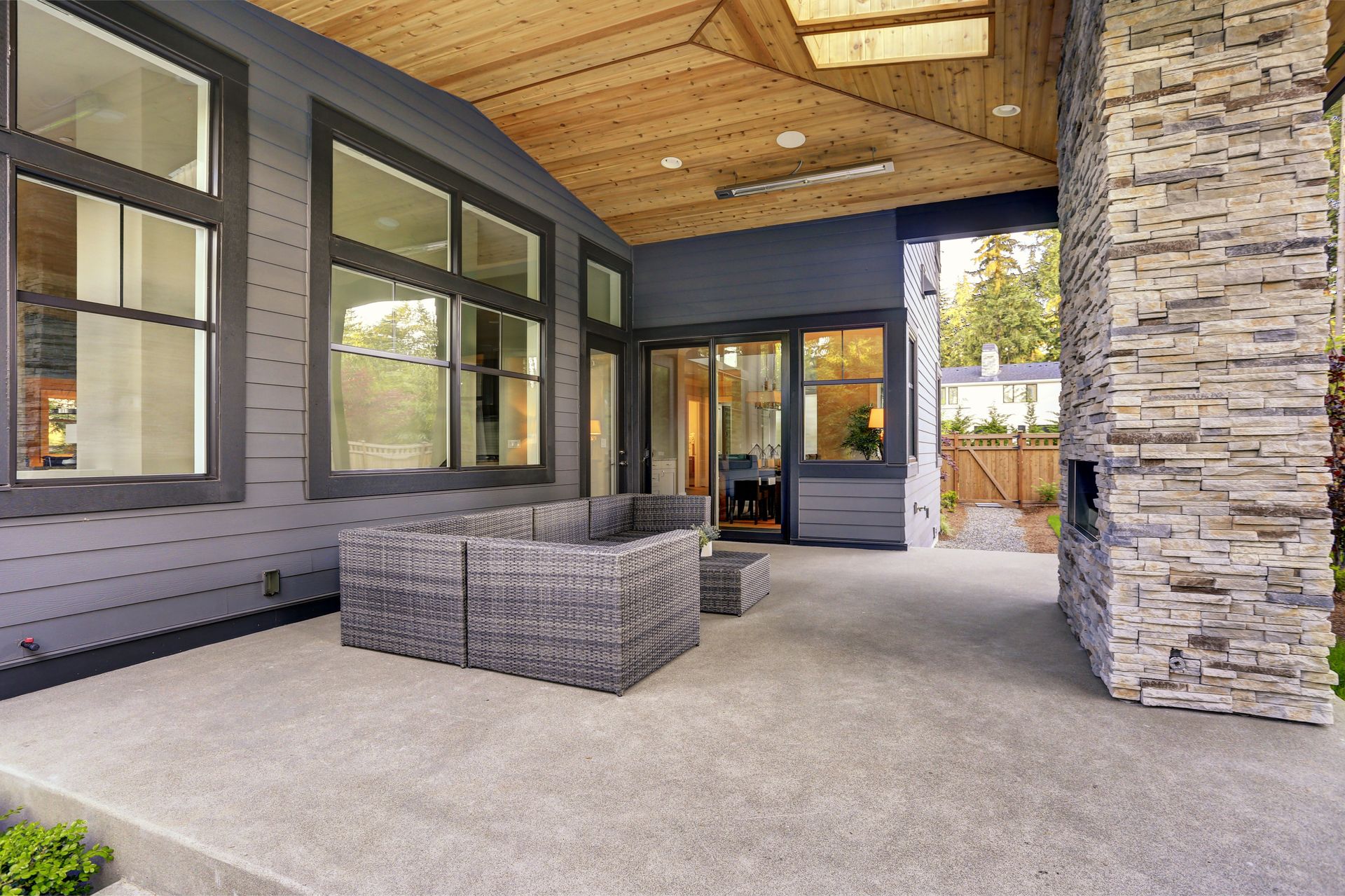
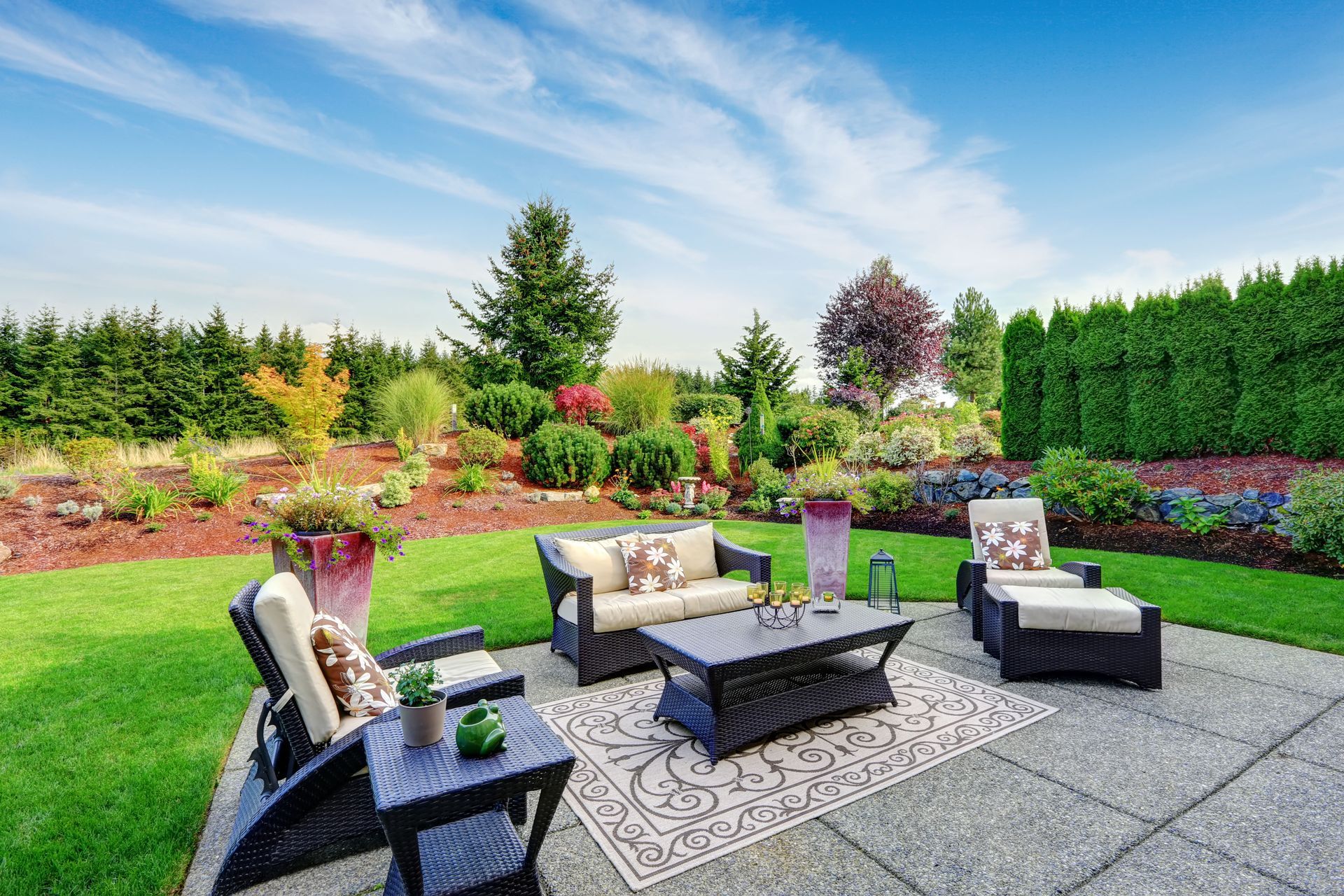
A dedicated lounge area can transform an ordinary backyard into a comfortable destination for everyday relaxation. A concrete patio provides a stable foundation for outdoor sofas, lounge chairs, coffee tables, and other furnishings. Arrange seating in a conversational layout so guests can easily interact without blocking walkways through the yard. Adding an outdoor rug can help visually define the seating area while introducing color and softness underfoot. Choose furniture materials that can withstand exposure to sunlight, humidity, and changing weather conditions. You can also incorporate cushions and accent pillows that coordinate with the colors used throughout your home's exterior. Positioning the lounge near the house can make it easier to carry food and drinks outside when entertaining. With the right arrangement, this space can serve as a comfortable retreat for both quiet afternoons and lively gatherings.
2. Add a Stylish Fire Feature
A fire feature can give your outdoor space a welcoming focal point while making the area more useful during cooler evenings. A concrete patio can provide an attractive setting for a fire pit or professionally constructed outdoor fireplace. Consider the size of your yard and available seating when deciding which feature works best for the space. The fire feature should be positioned with appropriate clearance from structures, furniture, landscaping, and other combustible materials. A circular arrangement can encourage conversation, while a fireplace can create a more formal architectural focal point. Surrounding the feature with comfortable chairs can establish an intimate gathering area for family and friends. Local safety requirements and manufacturer recommendations should always be considered before installing any outdoor fire element. When thoughtfully designed, a fire feature can add warmth, character, and functionality to an outdoor living area.
3. Incorporate Decorative Patterns
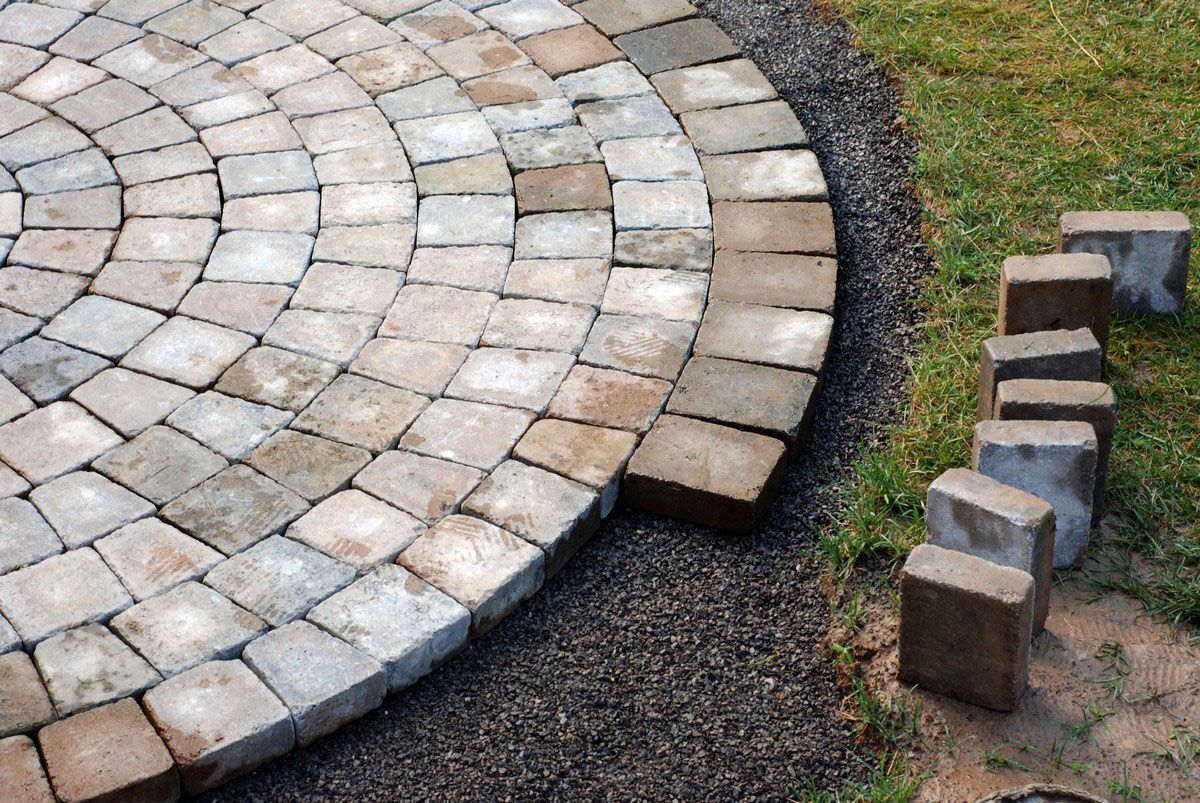
Patterns can make an outdoor surface more visually interesting without requiring elaborate landscaping or extensive decorative elements. A stamped concrete patio can mimic the appearance of materials such as natural stone, brick, slate, or tile. This approach allows you to introduce texture and visual variety while maintaining a cohesive surface throughout the space. Consider selecting a pattern that complements the exterior materials already used on your home. Borders can also be incorporated around the perimeter to create definition and give the installation a more finished appearance. Another option is to use contrasting sections to distinguish dining, lounging, and walking areas. According to The Spruce, concrete patios typically have an average lifespan of about 25 years, making thoughtful design decisions worthwhile for a surface intended to serve your home for many seasons. A carefully selected pattern can therefore contribute to both the appearance and long-term enjoyment of the outdoor area.
4. Design an Outdoor Dining Area
An outdoor dining space can make family meals and social gatherings feel more connected to the surrounding landscape. A concrete patio creates a level surface where you can place a dining table and chairs without dealing with uneven ground. Choose a table size that leaves enough room for people to move comfortably around each side. If you frequently host larger gatherings, consider an extendable table or additional seating that can be brought out when needed. An overhead structure such as a pergola can provide partial shade while giving the dining area a stronger visual identity. Outdoor lighting installed around the space can also make evening meals more comfortable and inviting. Keep the dining area reasonably close to your kitchen or back door to simplify food preparation and serving. By combining convenience with thoughtful placement, you can create an outdoor dining destination that works for ordinary dinners and special occasions.
5. Create a Poolside Retreat
If your property includes a swimming pool, the surrounding patio can become an important part of the overall outdoor design. A concrete patio around the pool can provide space for lounge chairs, tables, umbrellas, and other recreational features. Choose a finish that offers appropriate traction and complements the appearance of the pool and surrounding landscape. Leave enough open space for people to walk safely between seating areas and the water. Consider incorporating separate zones for sunbathing, relaxing, dining, and moving around the pool. Shade structures can provide relief during particularly hot afternoons while also creating opportunities for comfortable extended use. Landscaping around the perimeter can soften hard edges and help the pool area blend naturally with the rest of the yard. With thoughtful planning, a poolside space can feel like a complete outdoor retreat rather than simply an area surrounding the water.
6. Incorporate Integrated Landscaping
Combining hardscaping with plants can make an outdoor area feel more natural and visually balanced. A concrete patio can be surrounded by planting beds, ornamental grasses, shrubs, trees, and colorful seasonal plants. Use greenery to soften straight edges and create a transition between the patio and the rest of the yard. Raised planters can also introduce height and help define separate outdoor zones without creating solid barriers. Select plants that are appropriate for the local climate and the amount of sunlight each portion of the yard receives. Trees can provide valuable shade, but their mature size and root growth should be considered before planting them near paved surfaces. Container plants offer another flexible option because they can be moved or replaced as your preferences change. When hard surfaces and landscaping are planned together, the result can feel more cohesive and connected to the natural surroundings.
7. Add Outdoor Lighting
Outdoor lighting can dramatically change the atmosphere of a patio once the sun goes down. Path lights can help define walkways, while accent fixtures can highlight landscaping, architectural details, or other focal points. String lights can create a relaxed atmosphere over seating or dining areas without overwhelming the space. A concrete patio can serve as the foundation for a lighting plan that separates functional illumination from decorative accents. Consider using different levels of lighting rather than relying on one bright fixture to illuminate the entire area. Warm, subtle illumination can make seating areas feel inviting while providing enough visibility for movement around the yard. Timers or smart controls can make it easier to manage outdoor lighting according to your schedule. A balanced lighting design can extend the usefulness of your outdoor space while adding visual interest after dark.
8. Build a Versatile Entertainment Space
A flexible entertainment area can help your backyard accommodate everything from casual family activities to larger social gatherings. A concrete patio offers a durable foundation for outdoor kitchens, grills, televisions, dining furniture, games, and comfortable seating. Divide the space into practical zones so cooking, dining, conversation, and recreation can happen without competing for the same area. An outdoor kitchen can include features such as a grill, countertop, storage, and preparation space depending on your needs. Comfortable seating positioned near the cooking area can keep the person preparing food connected with guests. Consider adding a covered section so the space remains useful during periods of intense sun or light weather changes. Storage solutions can keep cushions, games, serving supplies, and other outdoor accessories organized between gatherings. By designing for multiple activities, you can create an outdoor area that supports everyday use as well as memorable occasions.
Ready to upgrade your backyard? Contact Cornerstone Construction of New Braunfels, Texas today to discuss your patio project and start creating an outdoor space designed around the way you live.